Safe Ways to Remove Earwax at Home
Earwax, or cerumen, is an ear secretion with many benefits, but it is still the cause of most ear problems. It acts like an agent that captures dirt, destroys bacteria and fungi, and controls the humidity of the ear canal. Nevertheless, if the wax is produced excessively, it may build up in the ear, causing feelings of blockage, hearing loss, and even pain.
Usually, individuals try to get rid of it on their own at home, which often makes things worse. Nobody wants to make things worse; thus, it is important to be highly cautious when self-removing earwax at home.
Why Earwax Exists in the First Place
Earwax is a natural substance that serves as the body’s cleaning system. It is produced in the outer ear canal and gradually pushed out, taking dead skin and debris with it. The whole process works quite well, though sometimes problems occur when the wax hardens and gets stuck or is pushed in deeper by things like cotton buds.
People who often clean their ears may find that they actually create a problem worse than the one they are trying to get rid of. The ear’s natural cleaning process may even be disrupted, leading to the accumulation of earwax.
Signs of Unsafe Earwax Buildup
The most common signs of earwax buildup are pressure, a slight ringing, or unclear sounds. In some cases, dizziness or itchiness of the ear canal might occur. This can be a sign that wax has accumulated to problematic levels within the ear. These signs could also mimic those of an ear infection.
Recognizing the condition early prevents minor blockages from escalating into greater discomfort. Some individuals may also experience a sensation of fullness or notice their own voice sounds unusually loud. Gradual hearing loss in one or both ears is another telltale indicator that earwax has become impacted.
What to Avoid When Cleaning Ears At Home
The ear canal is a delicate area of the body, and incorrect cleaning could easily hurt rather than help. Using cotton swabs, for instance, could either compact the wax or cause very light skin abrasion, and either case might lead to infection or irritation.
On the other hand, ear candling is a technique that some individuals resort to for ear cleansing, although this method is not recommended. Even though there is a false belief about the effectiveness of ear candling for wax removal, studies have shown that it can actually burn the user or cause blockage.
Safe At-Home Methods That Are Proven To Work
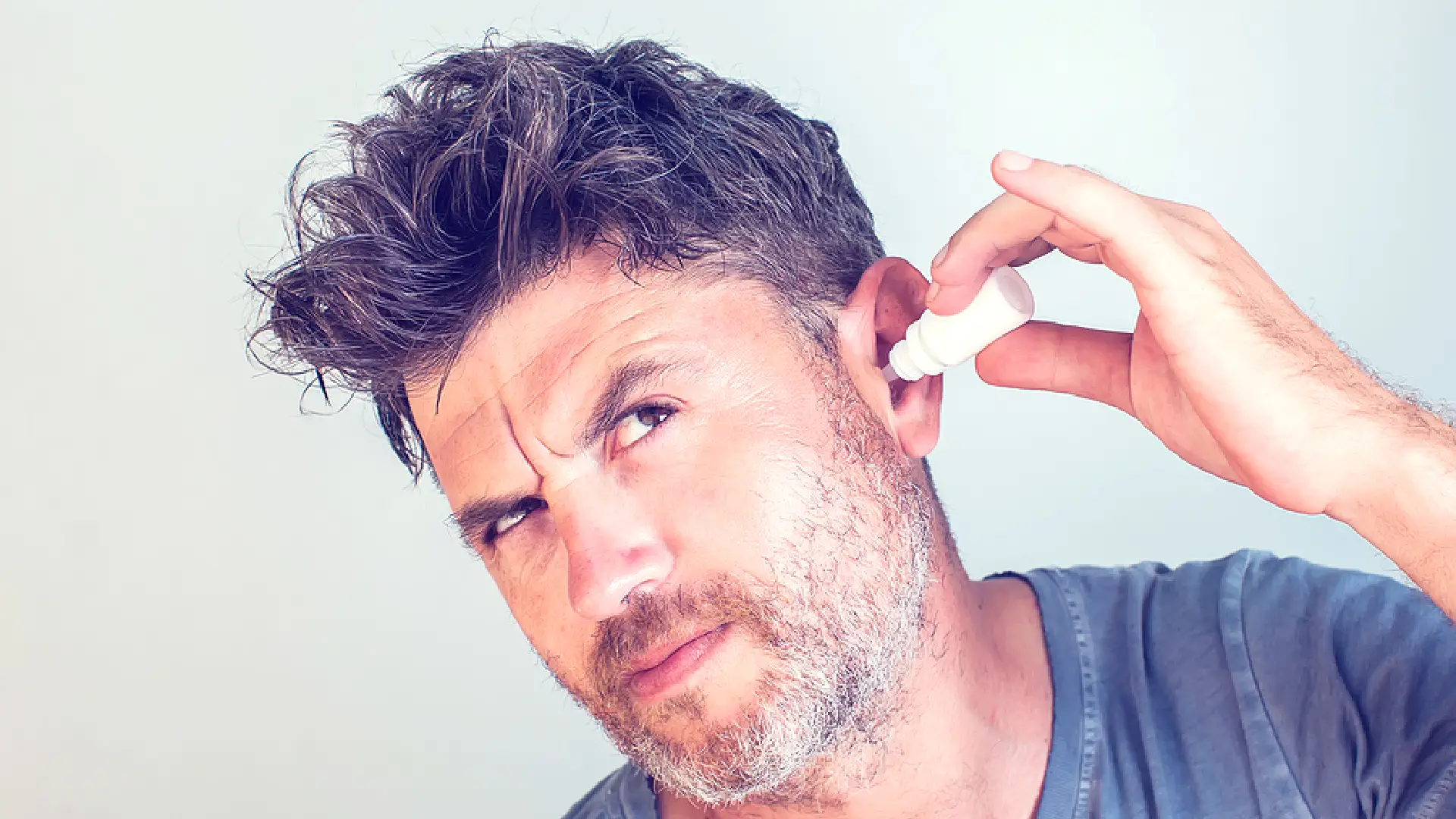
Mild wax buildup can be managed simply by soothing it. The wax can be loosened, then pushed out naturally with just a few drops of mineral oil, glycerin, or over-the-counter ear drops. The softened wax might fall out on its own after a few days.
Irrigation with body-temperature water can provide additional help, but only if the patient has not had ear surgery, an infection, or a perforated eardrum. A rubber bulb syringe can be used with care to rinse the ear, but it should never be painful. These are some safe at-home methods that work.
When to Seek Professional Help for Build-Up
At times, home treatment is not sufficient. Impacted wax or enduring buildup might need to be removed by a hearing health professional. Specialists use instruments such as small curettes with direct visualization, which reduces the risk of injury to the delicate ear canal and eardrum. This procedure is delicate and should be performed by a professional.
Seeking assistance at an earlier stage not only protects hearing health from serious issues but also helps eliminate other possible causes of hearing changes or loss. Besides, regular hearing exams can detect any earwax that may be causing the sound to be unclear.
Building Better Ear Care Habits
Good ear health is a matter of habit rather than excessive cleaning. Drying the ears after a shower is necessary, cotton buds should be avoided, and sometimes softening drops should be used to prevent the build-up of wax and protect the sensitive ear tissue.
The best ear care is a compromise: the ears can still clean themselves while, at the same time, one remains alert to any changes. Book a professional hearing test today to verify that your ears are clear, healthy, and able to connect with the outside world.