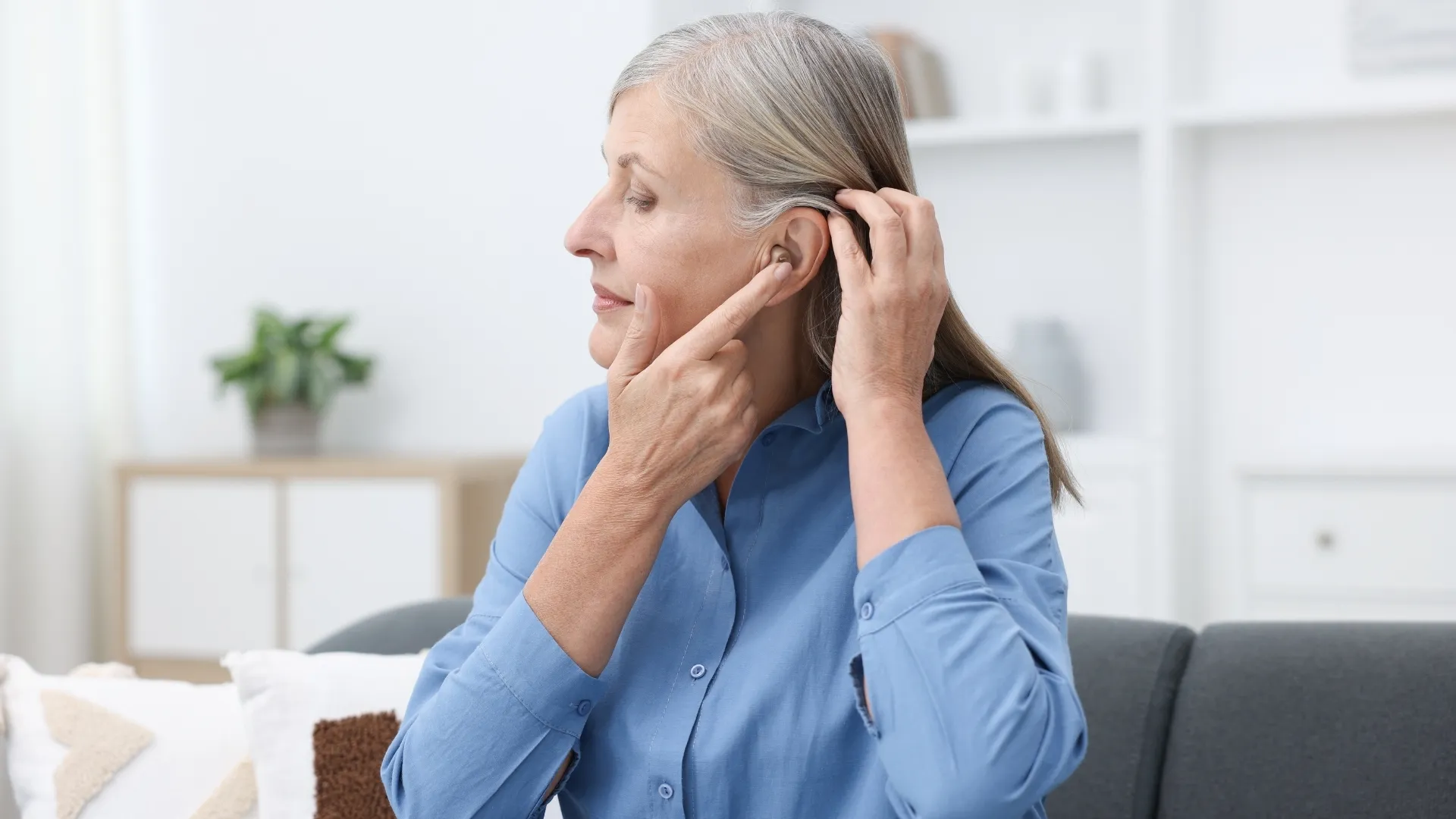
Pros and Cons of Over-the-Counter Hearing Aids
Shopping for hearing assistance changed forever when retail shelves began stocking non-prescription devices. These gadgets offer a way to address mild hearing struggles without traditional medical appointments. While the convenience seems modern, people often feel torn between the low price and the lack of professional fitting.
Understanding the balance between over-the-counter hearing aids and clinical precision helps individuals make the best choice for their daily lives. Many appreciate walking into a store and leaving with better hearing the same day. However, these tools target a specific group. Success requires evaluating how they perform in environments like busy restaurants.
Affordable Pricing for Daily Assistance
Lower price points represent the most significant advantage for those looking to improve their hearing without breaking the bank. Traditional hearing technology often carries a high cost because of bundled professional services and custom fitting processes. Retail devices eliminate those extra fees, making it possible for more individuals to access sound amplification early on.
This affordability allows people to try technology before committing to expensive medical solutions. Budget constraints often keep people from seeking help; these cheaper options serve as an entry point. When cost is no longer a barrier, individuals address their needs much sooner than otherwise.
Quick Access Without Clinical Wait Times
Finding a solution quickly matters when a person realizes they are missing out on conversations with friends and family. Retail hearing aids offer immediate gratification because they do not require a hearing test or a series of follow-up appointments. Someone can simply purchase the box and start wearing the devices within minutes of arriving home.
This speed eliminates the weeks of waiting typically associated with custom earmolds or specialized ordering. For individuals with a busy schedule, skipping office visits saves significant time. Managing a mild hearing issue on one’s own terms provides a sense of independence and control.
Limited Power for Significant Loss Needs
Retail devices work well for mild cases, but they often lack the strength needed to help those with more severe hearing struggles. Since these products are regulated to prevent ear damage, maximum volume levels stay relatively low compared to prescription models.
Individuals with a steep drop in their hearing range might find that amplification is not enough to make speech clear. This limitation means devices are not a universal fix for every ear-health challenge. If hearing loss is moderate or worse, a user might feel frustrated. These tools are designed for a specific slice of the population.
Missing Personalized Sound Adjustments
Standard retail units come with pre-set programs that cover listening situations through a general approach. Because every person hears differently, these broad settings sometimes miss the mark for specific frequencies or unique ear shapes. Prescription devices allow for fine-tuning of every individual decibel level, but retail versions usually only offer a few basic volume steps.
This lack of customization can lead to a “plugged-up” feeling or sound that feels unnatural and tinny. Without the ability to shape sound to a specific profile, a user might struggle in complex noise. Personalization is the key to long-term success.
Complex Setup Without Professional Help
Setting up a new device alone can feel overwhelming for anyone not naturally tech-savvy or familiar with ear anatomy. Most retail hearing aids require a smartphone app for initial configuration and ongoing adjustments. If a user encounters a technical glitch or fit issue, they do not have a professional to guide them.
A DIY approach means the user is responsible for cleaning, maintenance, and troubleshooting without expert backup. Small components are easy to break; without a service plan, repairs become expensive. Success depends entirely on the user’s ability to handle digital interfaces without getting frustrated or overwhelmed.
Choosing the Best Path for Clearer Ears
Choosing the right hearing solution is a deeply personal decision that balances your daily lifestyle with the level of support you actually need. While retail devices offer a quick, budget-friendly start, they often lack the long-term precision and durability of medical-grade technology.
Think of them as a helpful first step, but not necessarily the final destination for your hearing health. If you’re finding that you need more clarity or a more reliable fit, we’re here to help. Send us a message today or call 757-337-4591 for a personalized evaluation so we can find your perfect match.