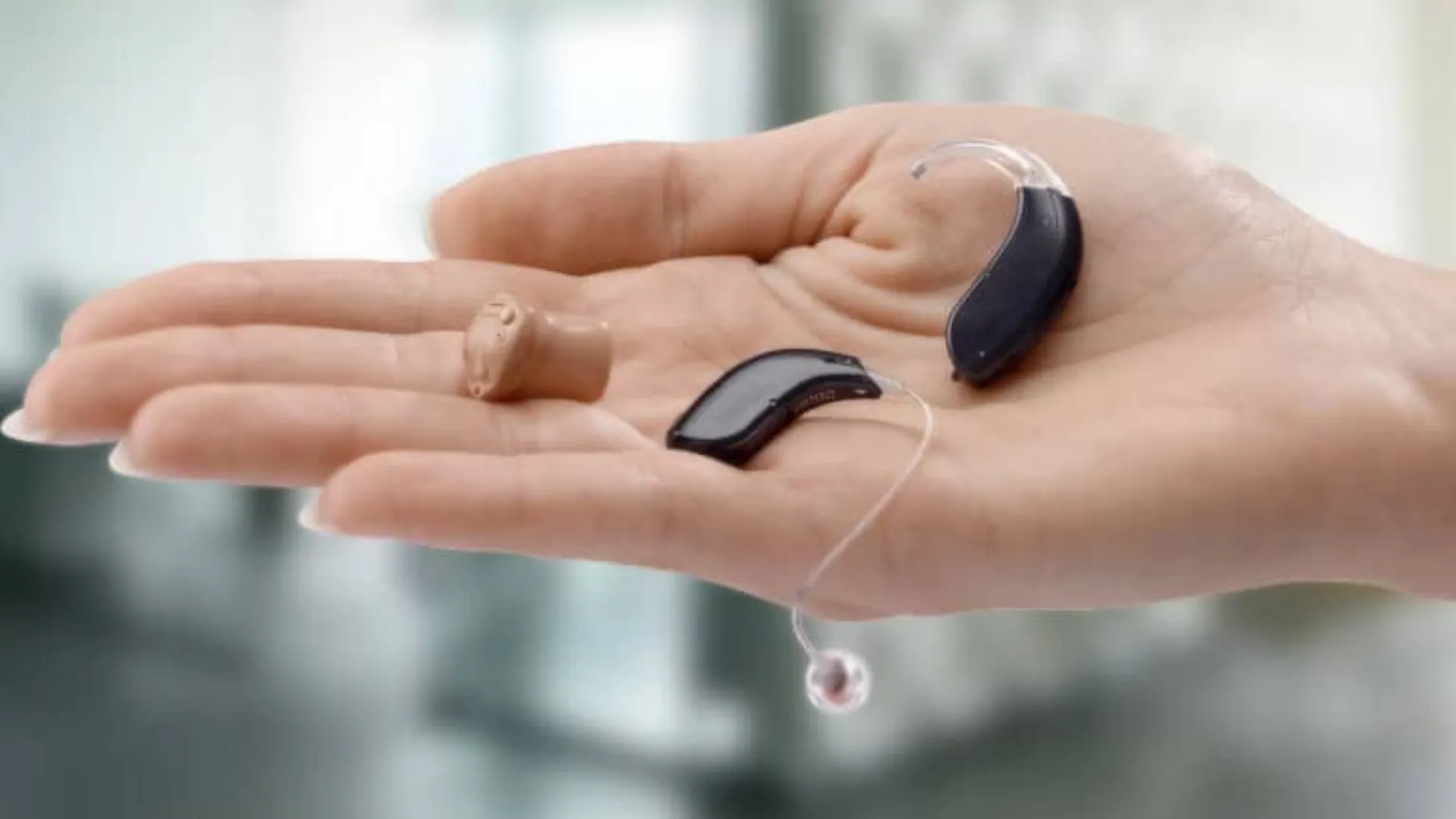
Simple Ways to Care for Your Hearing Aids
Proper maintenance of hearing aids ensures clear sound and extends the tools’ lifespan. Many individuals struggle with performance issues because dirt and moisture build up inside components over time. Making efforts each day prevents costly repairs and keeps your conversation flowing smoothly.
Simple cleaning routines, smart storage habits, and careful handling protect the hearing aids. Anyone can master these straightforward techniques with a little practice and consistency. Following a steady routine brings reliable comfort and better listening experiences during everyday interactions with friends and family members.
Wipe Away Daily Wax and Debris Buildup
Earwax naturally collects on the delicate tips of these devices throughout the day. Allowing wax to harden inside small openings creates stubborn blockages that muffle sounds and reduce performance. Every night, users should gently wipe outer surfaces using a soft, dry cloth or a micro-brush designed for sensitive electronics.
Water or household cleaners must never touch these components because liquids permanently damage internal circuits. Establishing a quick cleaning routine right before bed keeps tiny vents clear. Routine clearing prevents buildup, ensuring that sound travels into the ear canal without any unwanted distortion.
Keep Equipment Safe from Excess Moisture
Moisture serves as one of the primary causes of sudden electronic failure in listening devices. Sweat, steam from warm showers, and heavy rain easily seep into tiny seams and ruin fragile internal wiring. Removing devices before bathing, swimming, or entering a steam room protects sensitive technology from water damage.
Storing devices in a dedicated drying capsule or electronic dehumidifier overnight pulls out trapped humidity while you sleep. Leaving the battery door open during storage also lets fresh air circulate inside. Shielding delicate circuits from dampness preserves battery contacts and prevents unexpected breakdown during daily events.
Store Devices in a Secure and Dry Spot
Careless placement often leads to accidental damage, broken casings, or lost equipment. Pets, especially dogs, are frequently attracted to the scent of earwax and may chew on loose devices left on nightstands or tables. Small children might also misplace these items if they remain within easy reach.
Creating a designated storage spot, such as a sturdy hard-shell case on a high shelf, prevents costly accidents. Keeping the case away from direct sunlight, hot radiators, and damp bathroom counters further shields the sensitive casing. Consistent storage habits ensure equipment remains safe, clean, and easy to find.
Handle Delicate Parts with Great Care
Dropping sensitive equipment onto hard tile or wooden floors can crack the plastic shell or dislodge tiny internal microphones. Individuals should always insert or remove their devices while sitting over a soft surface, such as a carpeted floor, a couch, or a made bed.
Slippery fingers can easily lose grip on small plastic parts during morning routines. If a device slips from your hand, a soft blanket or rug will catch it and absorb the impact, preventing any structural damage. Patient handling during daily placement extends physical life, protecting delicate technology against sudden, expensive mechanical breaks.
Change Tiny Wax Guards on a Regular Schedule
Small plastic filters sit inside the sound outlet to catch wax before it reaches the internal speaker. These filters eventually fill up with natural oils and debris, completely blocking incoming sound over time. Replacing these wax guards every few weeks keeps audio crisp, clear, and easy to hear.
If sound suddenly becomes weak or dead, a clogged filter is almost always the main culprit behind the issue. Keeping fresh replacement guards on hand allows for quick changes whenever sound levels drop off. Swapping old filters regularly ensures consistent volume and prevents unnecessary trips for simple repairs.
Protect Hearing Investment with Expert Care
Consistent home care keeps listening devices working smoothly, but periodic checks by hearing health professionals ensure optimal long-term performance. Specialized cleaning tools remove deeply hidden debris that basic home routines simply cannot reach. Hearing health professionals can also test internal circuitry, adjust sound programming, and check physical fit to prevent uncomfortable rubbing or feedback.
Schedule a routine wellness check today to keep your hearing aids working at top performance and enjoy crystal clear sound during every single conversation. Cleaning your hearing devices helps ensure clearer communication, greater comfort, and peace of mind.