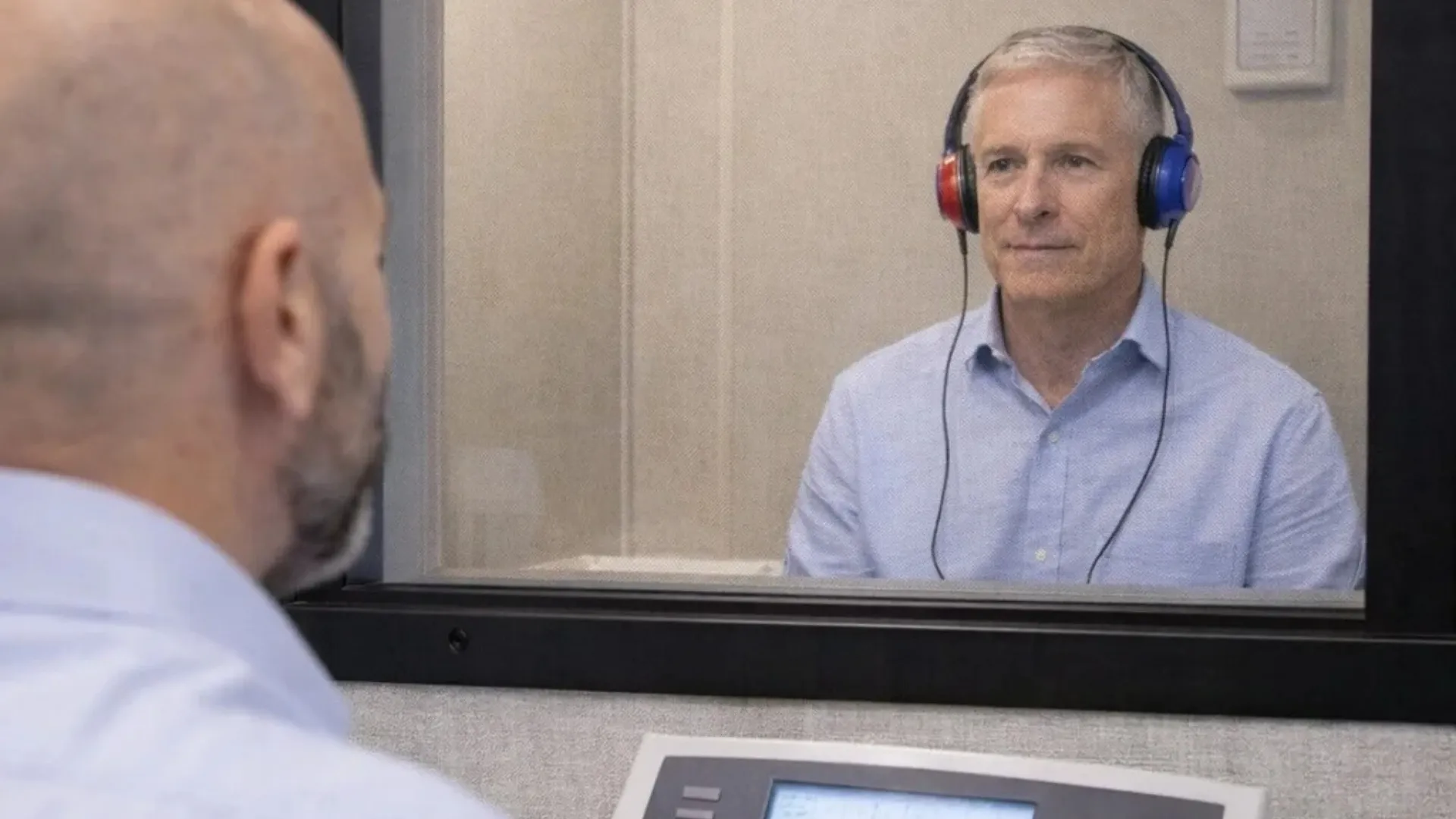
Why Regular Hearing Tests Matter for Your Health
Regular hearing tests form a foundational pillar of proactive wellness for adults of all ages. Many people view hearing evaluations as unnecessary until noticeable communication struggles arise in daily life. However, subtle changes in auditory perception often occur gradually over several years without obvious warning signs.
Comprehensive exams identify subtle shifts early, allowing hearing health professionals to address potential issues before they influence overall physical well-being. Routine appointments also establish a clear baseline for tracking hearing changes throughout adulthood. Prioritizing these regular hearing tests ensures that individuals preserve clear communication and maintain strong cognitive function effectively.
Hearing Tests Protect Brain Health Daily
Our brain processes sound constantly, transforming auditory signals into meaningful conversation and environmental awareness. When sound input decreases due to unaddressed changes in auditory pathways, the brain works significantly harder to decode speech. This extra mental effort strains cognitive resources and causes unnecessary mental fatigue during ordinary daily conversations.
Regular evaluations catch early changes in sound processing capability, allowing hearing health professionals to recommend timely adjustments. By maintaining optimal hearing input through proper care, individuals relieve cognitive strain and preserve valuable mental energy. Consistent testing ensures that the brain continues to receive clear signals, supporting sharp focus daily.
Routine Screenings Keep Memory Sharp Now
Scientific research links untreated auditory changes directly to accelerated cognitive decline in aging adults. When auditory pathways receive fewer distinct signals, the brain reorganizes itself, shifting attention away from memory storage and problem-solving tasks. Over extended periods, reduced sensory stimulation weakens neural connections responsible for short-term and long-term memory retrieval.
Annual auditory assessments help individuals monitor changes in sound reception before memory function suffers. Early intervention keeps the brain active, engaged, and properly stimulated through continuous, clear sound input. Taking proactive steps through routine evaluations protects brain tissue health, sharpens memory recall, and lowers cognitive risks.
Early Tests Protect Social Connections
Clear communication forms the foundation of meaningful personal relationships, family gatherings, and rewarding workplace interactions. When individuals struggle to hear conversations in noisy environments, frustration and embarrassment frequently follow. Many adults gradually withdraw from social activities, family dinners, and community events to avoid the stress of repeating themselves or misunderstanding others.
This quiet withdrawal often leads to emotional loneliness and social isolation over time. Routine examinations detect subtle communication barriers early, giving individuals effective tools to remain fully engaged in personal conversations. Staying connected to loved ones improves mood, boosts self-confidence, and supports long-term emotional stability.
Clear Sound Input Improves Balance
The inner ear contains complex structures that regulate both sound perception and physical balance mechanisms. Damage or changes within these delicate inner structures often impair body equilibrium, increasing the likelihood of accidental falls and physical injuries. Furthermore, sound awareness provides constant environmental cues that help the brain track physical positioning relative to surrounding objects.
Routine hearing exams allow trained clinicians to examine inner ear health and identify potential balance risks early. Addressing subtle sensory changes improves physical stability, spatial orientation, and movement confidence during everyday activities. Regular checkups protect physical mobility, keeping individuals safe, active, and independent.
Screenings Spot Heart Health Signals
Proper blood flow is necessary for maintaining the delicate hair cells inside the inner ear. Because these tiny sensory cells require consistent oxygen and nutrient delivery, changes in cardiovascular health often manifest in the ears first. Medical studies indicate that poor circulation from heart conditions or high blood pressure frequently causes subtle auditory changes before other physical symptoms appear.
Regular testing offers useful information about general cardiovascular wellness, acting as an early indicator for broader health concerns. Identifying these subtle shifts prompts timely conversations with primary doctors. Scheduling routine checkups supports heart health monitoring while protecting long-term sound perception.
Book A Professional Examination Today
Prioritizing hearing health is important for long-term well-being and clear communication. Routine evaluations offer a simple way to monitor sound perception, protect brain function, and support physical balance. Waiting for noticeable difficulties to disrupt daily life only makes things harder later on.
We can help protect hearing health and keep life connected. The team offers comprehensive evaluations and solutions designed for every lifestyle. Contact the practice today to schedule an assessment and take the first step toward lasting comfort and peace of mind.
